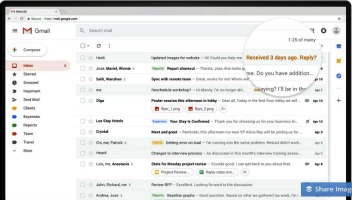
The other day I was looking for insights into a few people I was scheduled to meet. Do you know where I turned first? Not a company Web site. Not Facebook. Not Google Search.
I started with LinkedIn.
LinkedIn is no longer optional. It’s a must for any business professional.
Here are three reasons to make sure your profile is up to date and ready for prime time:
1. A glimpse of the real you (more or less). While a corporate bio is likely to have been written and rewritten by sales or marketing folks, most LinkedIn profiles have been developed by the individual. I get to see what you think is important to know about your background and expertise. I get to figure out if you are business smart or just good at resume cut and paste.
2. A search for connections. LinkedIn’s core function is to draw lines between and among people, but the real connections are shared skills, shared interests, and shared opportunities. One reason I look first at LinkedIn is to understand not just who we might know in common but also whether there are tangential linkages I can tap (e.g., universities, past jobs or job responsibilities, places we’ve lived).
3. Opportunities abound. Executive recruiters who spoke at a recent IABC/Washington meeting said that LinkedIn is the first place they look for prospects. The first place. While you might not be job-hunting, chances are you are looking for customers, clients, colleagues, partners, or vendors.
Recruiters are searching for you. Prospects are scrutinizing you.
If you’re in certain professions and you’re not on LinkedIn, then I wonder why. If you’re using it but you don’t have a photo, or your information is old or incomplete, then my advice would be to fix that right now.
What’s your experience? How do you use LinkedIn?
Photo by Coletivo Mambembe (Flickr).
Have you grabbed a free copy of Your Social Media Checklist? Download it today to get 9 tips for being findable and attracting the right customers for your business.
{ 4 comments }
Have you ever had someone you don’t know contact you about a project? People think this is good fortune—but it’s not. Work doesn’t just drop into your lap.
A colleague recently asked me how I get referrals. It’s a good question, because referrals can be a terrific source of new business.
We’ve all seen it: the person who’s talking at you while scanning the room looking for someone more important. But who’s “more important” anyway?
There’s a women’s entrepreneurs’ group that I joined last year. There are chapters, and bimonthly meetings, and a rigid meeting format that kind of drives me crazy. The intent of the sessions is solid: brainstorming solutions to members’ business challenges and sharing lessons learned. But there are usually too few people in the room and too many of them are business newbies.